
A well-planned renovation can unlock incredible value. Whether you’re flipping for profit or rehabbing a rental to raise its marketability, the return on investment starts long before you pick up a hammer. It starts with the budget.
A good rehab budget guides decision-making, prevents overbuilding, and helps ensure every dollar you spend is working for you. Planning smart means knowing where to spend, where to save, and how to leverage financing that aligns with your investment strategy.
Let’s walk through the essentials of budgeting your renovation for the best possible return.

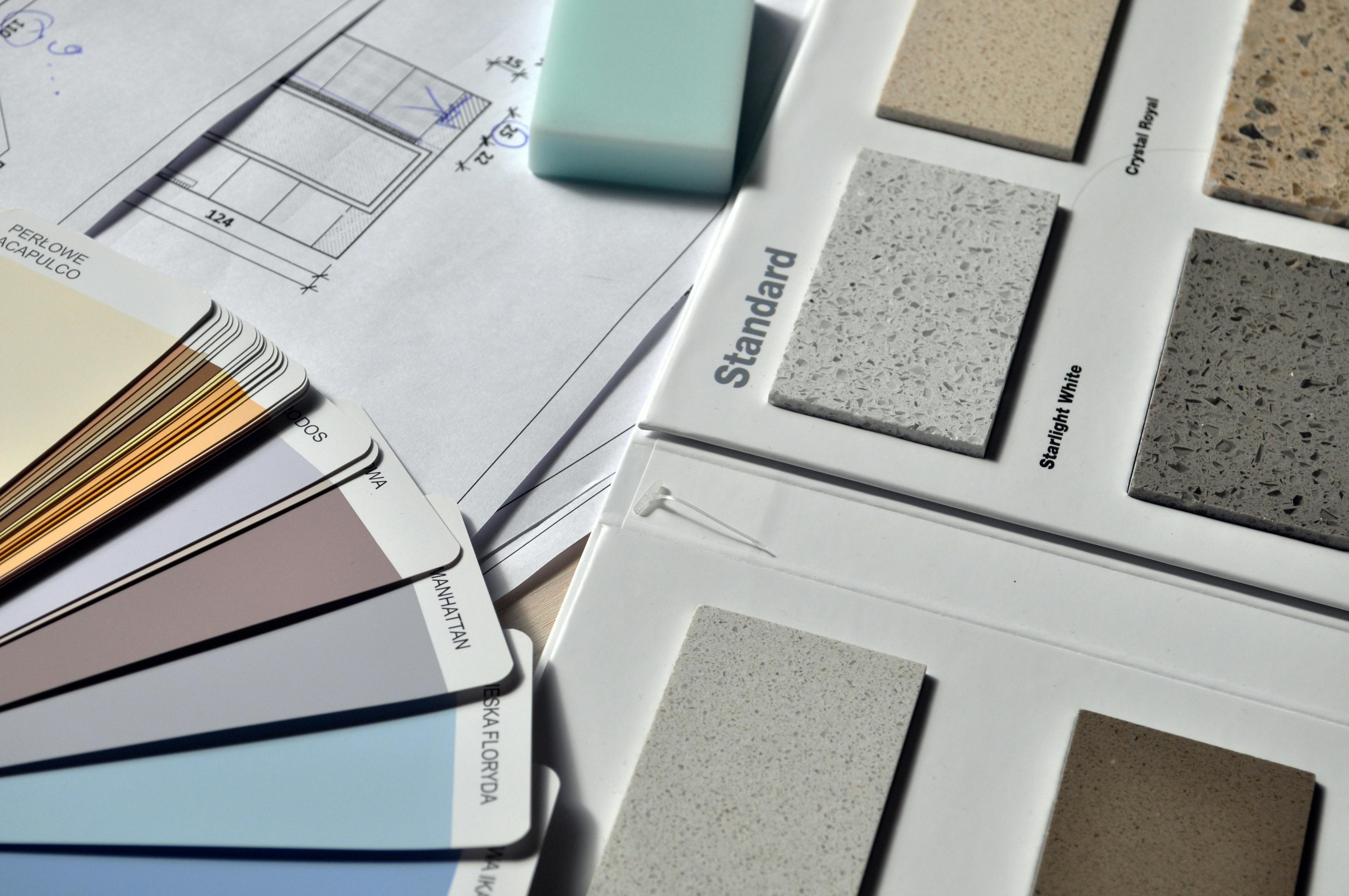
Via Pexels
Start with the End in Mind
Before you touch the property, determine what it should look like when it’s finished, not just visually, but financially. Your after-repair value is your North Star. It’s the projected market value of the property after the renovation is complete. Your entire budget should be reverse-engineered from that number.
Start by analyzing comparable properties in the area. What finishes do they have? Are they modern, minimalist, or traditional? What’s driving value in the neighborhood — open kitchens, extra bedrooms, curb appeal?
If your ARV is $350,000, and your purchase price is $250,000, you’ve got a theoretical $100,000 margin. But you can’t spend all of that. You need room for closing costs, financing charges, selling expenses, and profit. In many cases, this means your renovation budget should not exceed 15 to 25 percent of the ARV. The more precisely you plan this upfront, the fewer surprises down the line.
Prioritize Projects that Drive Value
Once you have your target budget range, it’s time to prioritize. Not all upgrades offer the same return. Focus on projects that are proven value drivers. These often include:
Kitchen and bathroom updates
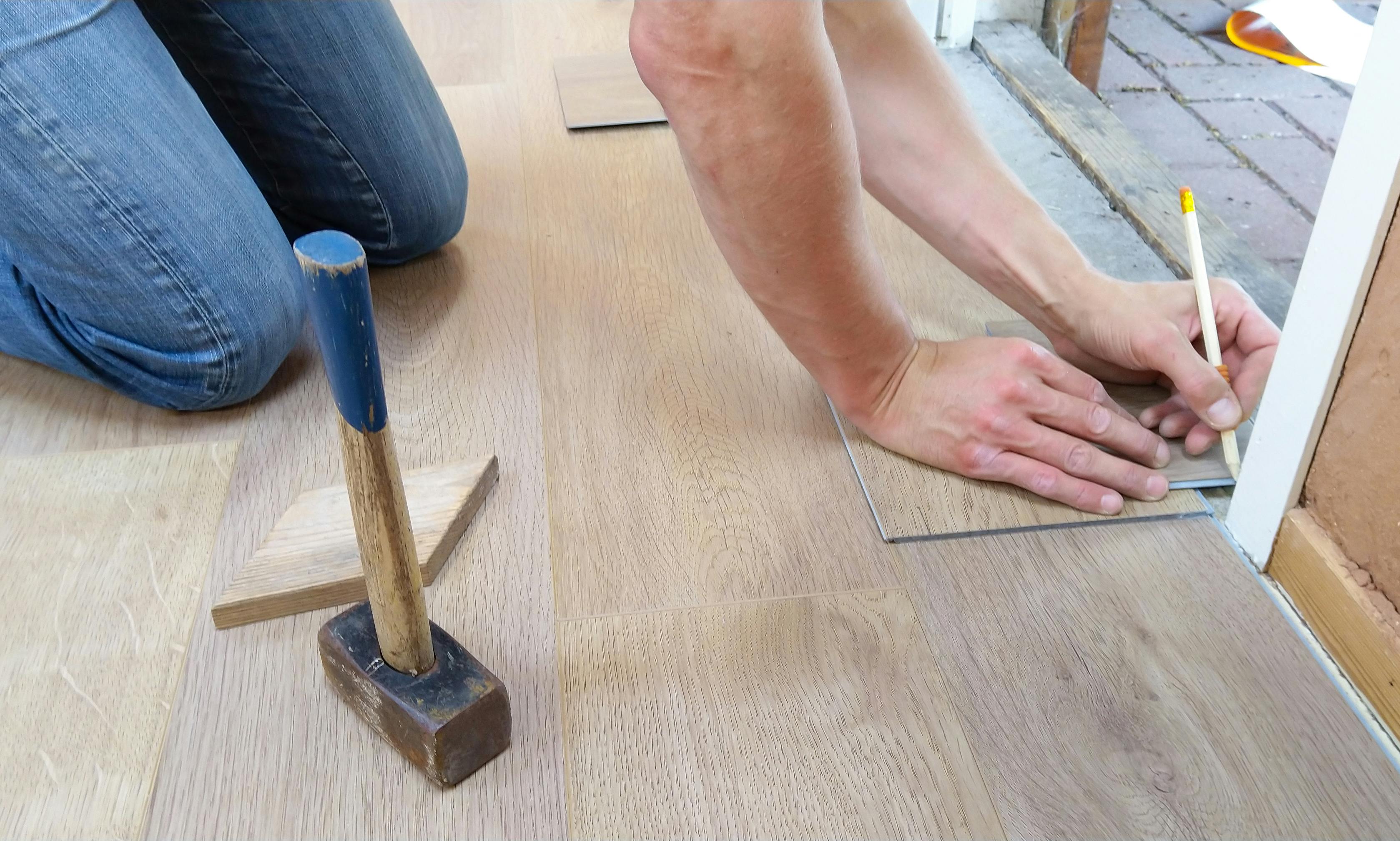
Flooring replacement
Paint (inside and out)
Lighting and fixture upgrades
Curb appeal enhancements
That doesn’t mean tearing everything out and going ultra-high-end. Often, a strategic refresh beats a full gut. Painting cabinets instead of replacing them, reglazing a bathtub instead of buying new, or choosing durable mid-grade materials that look high-end can stretch your budget further.
Some investors fall into the trap of over-improving or putting luxury materials in a mid-range neighborhood. That extra investment rarely pays off. Know your market. The goal is to meet or slightly exceed the expectations for your area, not set a new standard the market won’t reward.
Build a Realistic Budget and Pad It
Now it’s time to get detailed. Break your renovation into line items: demo, framing, plumbing, electrical, HVAC, drywall, flooring, paint, fixtures, appliances, landscaping, and so on.
Assign estimated costs to each category. Get multiple contractor bids if you can, and always include labor, materials, permits, and disposal fees. Then add a contingency buffer. Ten to fifteen percent is common, especially for older properties where hidden issues are more likely.
A padded budget means protection. Surprises happen. Mold, rot, foundation cracks, plumbing reroutes. With a well-thought-out budget and contingency plan, these become speed bumps instead of deal breakers.
Finance Your Rehab the Smart Way
Renovation costs can add up quickly. Unless you’re paying cash, you’ll need financing that fits both the purchase and the rehab scope. Many investors turn to specialized loans designed for these situations.
Your loan must cover both purchase and construction costs. DFW hard money lenders offer draw schedules that release funds as renovation milestones are hit, protecting both you and the lender. This staged funding process ensures the project stays on track and gives you the liquidity you need without overextending.
Before you borrow, make sure you understand the terms. Interest-only payments are common, as are short loan durations. Make sure your timeline, contractor availability, and permit processes line up with your repayment window.
It’s also wise to align your financing structure with your exit strategy. If you’re planning to flip, you need speed and flexibility. If you’re refinancing into long-term debt for a rental, make sure the property qualifies once the rehab is complete.

Via Pexels
Stay Involved While Avoiding Micromanagement
Your budget does not end at completion; most budgets fail once construction starts, due to “change orders,” “scope creep,” and "labor delays." Stay involved in the process.
Use the scope of work as a checklist. Visit the property regularly and confirm each completed phase is consistent with your draw schedule. Take photos of before and after, and record all receipts and inspections. Communicate clearly with your contractors. Misunderstandings can result in costly delays or rework.
Avoid making unnecessary changes throughout the project. Unless you have a legitimate financial reason, stick to your original plan. Changes are not only expensive, but also chaotic.
Over-Improving - Finding the Line Between Tasteful Upgrades and Wasting Money
It is easy to fall into the trap of over-improving, especially when doing renovations. Over-improving occurs when you add upgrades that the local real estate market will not support. For example, installing quartz countertops in a $150,000 neighborhood or adding square footage that will not impact your comps.
When considering a specific feature, always evaluate how it will impact your after repair value. If a feature will not positively impact your resale value or rental rate, then question the expense. This does not mean you cannot afford to spend money, but rather that every upgrade should have a purpose.
Revisiting Your Comps During Rehab Is Key
To remain grounded in your decision-making process, consider revisiting your comps during the rehab. Ask yourself whether or not the upgrade will allow the property to perform better than the top sale in the neighborhood, or simply match it. Most of the time, matching the top sale is sufficient.
In Conclusion: Spending Every Dollar Wisely
The goal of completing a successful rehab is to spend your dollars wisely. Spending the least amount of money is not the best option; spending the smartest is. Every dollar spent should have a specific purpose to either increase the value of your property or shorten the length of time your property sits vacant.
Having a well-thought-out plan, a well-crafted budget, and having your financing structured appropriately based on your needs will allow you to complete your renovation with confidence. Regardless of whether this is your first project or your 50th project, the principles are the same.
Plan for Value - Budget Precisely - Complete with Profit.

Post a Comment