

Image Credit: Pexels
Imagine a home full of vibrant greenery, a peaceful escape from the everyday. You don't need a super green thumb to make plants a year-round part of your home's design. By thinking about your layout, light, and materials, you can grow an indoor oasis that thrives in every season.
Bring the Outdoors In
To truly make your home plant-friendly, it helps to design it with nature in mind right from the start. This means focusing on features that blur the line between indoors and outdoors, such as expansive windows, skylights, and layouts that maximise natural light. While decorative touches can always be added later, structural features that influence how much light and space your plants receive are best planned from the beginning. Working with a custom home builder allows you to incorporate these elements into your home's design, creating living spaces that feel brighter, more connected to nature, and better suited to supporting healthy indoor greenery throughout the year.
Optimal Light for Indoor Gardens
Sunlight is super important for healthy indoor plants, but not every home has perfectly sunny, south-facing windows. While you should always try to get as much natural light as possible, you can easily add more to keep your plants happy. This is where grow lights come in handy, especially in darker winter months or rooms that don't get much sun. Modern grow lights come in all sorts of styles, from simple bulbs that fit into regular lamps to full-spectrum panels. If you're new to them, a beginner's guide to grow lights can explain the different types and help you figure out what's best for your space. With the right setup, gardening under lights can turn any spot in your home into a thriving garden.
Creating Dedicated Plant Spaces
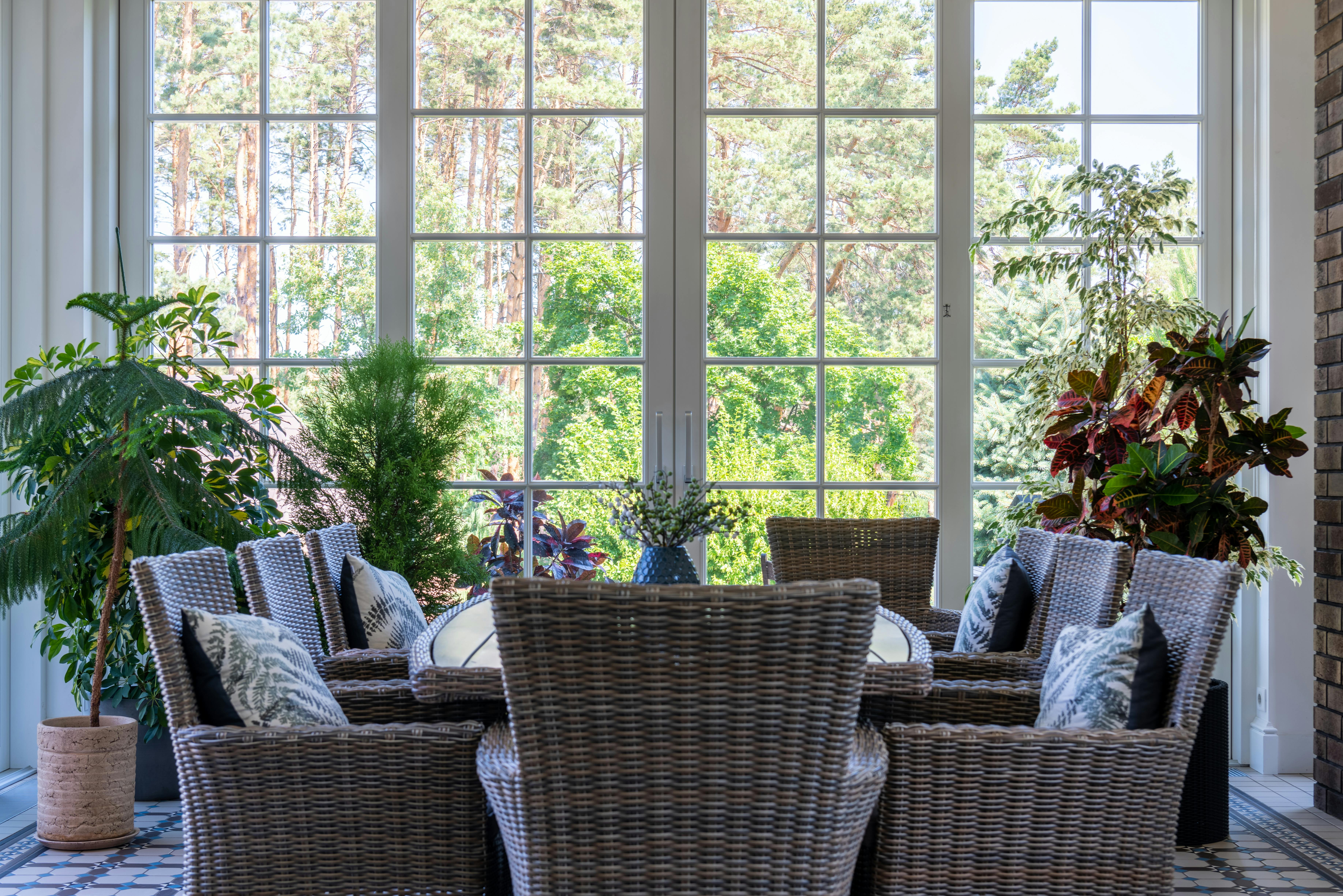
To really make plants a part of your home, go beyond just putting a few pots on a windowsill. Think about making special spots just for your greenery. This could be as easy as putting in some built-in shelves in a sunny corner to create a "plant library," or as big as designing a vertical garden wall in your living room. A breakfast nook surrounded by fresh herbs is both pretty and useful. A sunroom or a glass-enclosed atrium can act like a mini-greenhouse, giving tropical plants a warm, humid place to grow all year. When you give your plants their own space, they become a main feature of your home, not just decoration.
Seamless Transitions to Outdoor Living
Making your outdoor areas feel like a natural extension of your indoor ones is key to enjoying your garden all year. Thoughtful space planning helps create this seamless transition. Big glass sliding or bi-fold doors can open on warm days, merging your living room with a patio or deck. This creates one large, flowing area for relaxing and entertaining. Using similar flooring materials, like stone tiles or wood-look planks, both inside and out, can make this effect even stronger. This design trick not only makes your living space feel bigger but also connects you more to the outdoors, even when you're cozy inside looking out.
Choosing Plant-Friendly Materials
Indoor gardening can get a little messy sometimes. Water spills, loose soil, and high humidity are all part of it, so it's smart to pick materials that can handle the job. In areas with lots of plants, think about flooring like ceramic tile, polished concrete, or tough vinyl that won't get damaged by moisture. If you prefer wood, just make sure it's sealed well. For shelves and plant stands, choose materials that won't rot or rust, like powder-coated metal, glass, or treated wood. Putting waterproof trays under your pots is also a simple but effective way to protect your surfaces and furniture.
Designing a home that blooms all year means creating a good relationship between your living space and nature. With a little planning, your home can become a lively, green sanctuary that's good for both you and your plants.

Post a Comment