
Services Provider

Selecting a commercial printer may seem simple until the job calls for large print volumes, a fast turnaround, special finishes, or a variety of print media. However, an affordable provider may not have the equipment, capacity, or expertise to meet your requirements. As a result, delays or poor-quality work can affect both your marketing campaign and your budget.
You can reduce or even prevent these issues by comparing providers based on practical factors. Consider experience, value, customer service, customization, production capacity, service range, and print quality when evaluating providers and their quotes. Your provider should be able to support your current needs and, at the same time, be flexible enough to accommodate future projects.
Here are seven things to look for when choosing a commercial printing provider.
1. Assess Print Quality
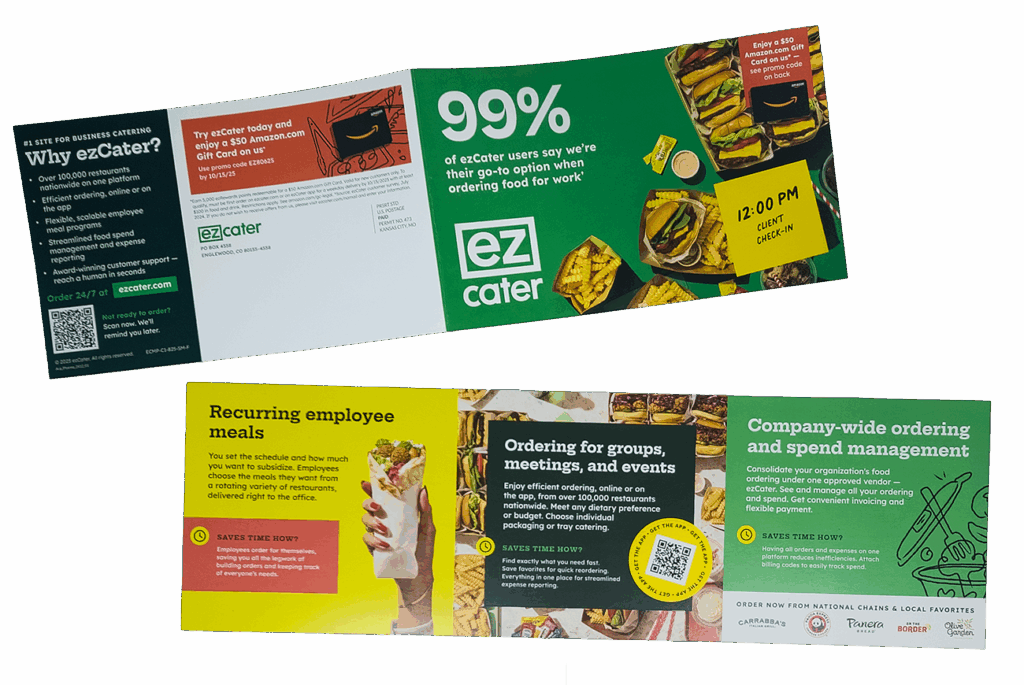
Print quality directly affects how customers view your business. Poor color reproduction, blurred images, uneven cuts, or unsuitable paper can make professional marketing materials look careless. When comparing commercial printing services, ask potential providers for samples that are similar to your project before making a decision.
Pay attention to color consistency, image clarity, paper options, and finishing quality. Ask whether the provider uses digital or offset printing for your type of project. Digital printing can suit shorter runs and personalized materials, while offset printing can be useful for larger-volume projects.
Consistent quality can strengthen your brand image and reduce the chance of costly reprints. When your brochures, catalogs, postcards, and other materials look professional, you can present your business with greater confidence.
2. Check Service Range

Your printing requirements may extend beyond standard brochures or business cards. You might need direct mail, signage, packaging, personalized print materials, or promotional materials for different campaigns. A provider with broad capabilities can handle more of those requirements under one roof.
When comparing providers, look for services such as commercial printing, direct mail, variable data printing, large-format printing, packaging, fulfillment, and specialty finishing. Options such as folding, laminating, embossing, and die-cutting can also add value to specific projects.
A wider service range can save you time and simplify project management. You do not have to coordinate several vendors for related parts of one campaign. Keeping production with one experienced provider can also make communication more consistent.
3. Review Production Capacity
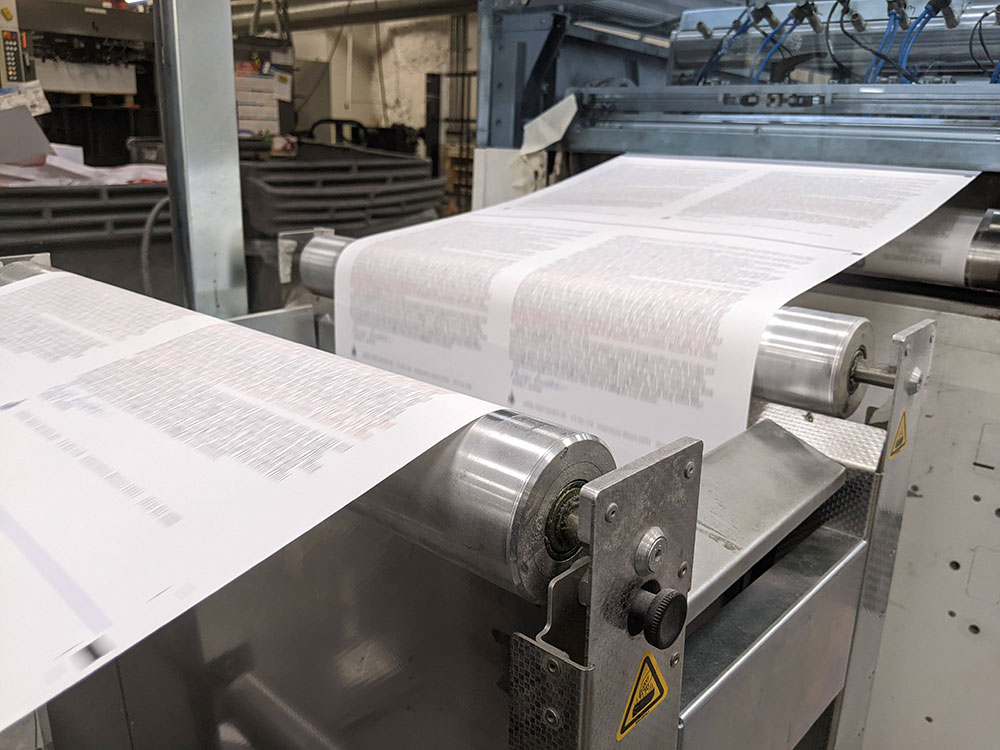
Production capacity matters when you need thousands of printed pieces or several materials at once. Ask whether the provider has the equipment, staff, and workflow to manage projects at your required volume. A provider should be able to give you a realistic production schedule.
Think about future requirements, too. If you run seasonal campaigns or send direct mail regularly, your printing needs may increase over time. Ask whether the provider can maintain consistent specifications and quality across repeat orders.
Strong production capacity can improve turnaround times and reduce deadline pressure. You have greater confidence that your materials will be ready when your campaign requires them. That reliability becomes especially important when printed materials support events, product launches, or scheduled mail campaigns.
4. Confirm Custom Options

Standard printing may not give you the flexibility your campaign requires. You may need specific paper stocks, unusual sizes, custom shapes, specialty finishes, or personalized content. Before choosing a provider, confirm which options are available and whether they fit your project.
Variable data printing is particularly useful for personalized campaigns. You can customize names, offers, images, or other information across individual pieces. Finishing options such as embossing, laminating, and die-cutting can also create a more distinctive final product.
Custom capabilities can help your materials stand out and connect with your audience. You can create print pieces that match your brand and campaign instead of relying on generic formats. Ask to see examples of previous custom projects before approving your design.
5. Evaluate Customer Support
A good printing provider should offer more than production equipment. You may need guidance with file preparation, paper selection, proofing, finishing, or delivery schedules. Responsive support can help you resolve those questions before they create production problems.
Pay attention to communication from your first interaction. Does the provider understand your specifications? Can the team explain technical choices clearly? Do you receive useful answers instead of being passed between different contacts? These details can reveal how the company handles client projects.
Reliable support can reduce mistakes and make your project easier to manage. Experienced professionals can identify potential issues before production begins. Clear communication also helps you keep approvals, revisions, and deadlines under control.
6. Compare Overall Value

Price should be part of your decision, but it should not be your only consideration. The lowest quote may exclude important services or use materials that do not suit your project. A cheap order can also become expensive if quality problems lead to waste or reprints.
Compare the full cost of each option. Check whether the quote includes materials, setup, proofing, finishing, personalization, fulfillment, shipping, and other required services. Make sure you are comparing similar specifications rather than choosing between very different packages.
Looking at overall value can help you control costs without sacrificing quality. A provider with dependable production and useful services may offer better value even when the initial quote is not the lowest. Focus on what you receive for your total investment.
7. Verify Industry Experience
Experience can make a significant difference when your project has specific business or industry requirements. A provider that regularly works with companies, agencies, healthcare organizations, financial institutions, or nonprofits may understand the practical demands behind different campaigns.
Ask about previous work that resembles your project. Relevant experience can show whether the provider understands your audience, production requirements, deadlines, and preferred formats. It can also help when you need advice on selecting materials or combining several services.
Industry experience can make collaboration more efficient and reduce avoidable production issues. You can spend less time explaining basic requirements and more time refining your campaign. If you operate in Kansas City, local experience can also make communication and project coordination more convenient.
Conclusion
The right commercial printing provider should offer more than a low price. Look for consistent print quality, a broad service range, sufficient production capacity, useful customization, responsive support, strong overall value, and relevant industry experience. These factors can help you strengthen your brand, save time, meet deadlines, control costs, and create more effective printed materials.
Before requesting quotes, write down your quantities, materials, finishes, personalization needs, delivery requirements, and deadline. Then compare providers against the same criteria. Choosing a provider that matches both your immediate project and future needs can give you a dependable partner for ongoing print and marketing campaigns.



Post a Comment